Baby clothing isn’t just about adorable outfits anymore — it’s about comfort, safety, sustainability, and developmental support. As 2026 unfolds, new trends are shaping how parents shop for their little ones, from innovative fabrics to smart design features that make daily routines easier. In this guide, you’ll learn the top baby clothing trends parents should know this year, why they matter, and how to choose pieces that are both practical and stylish.
1. Grow‑With‑Me Clothing: More Value, Less Waste
One of the biggest trends in 2026 is grow‑with‑me clothing — garments designed to adapt as babies grow. These pieces use adjustable features like expandable sleeves, extendable waistbands, and convertible designs that can transition between sizes.
Why It’s Trending
With rising costs and a growing focus on sustainability, parents are seeking clothing that lasts longer and reduces waste. A few well‑designed outfits can replace entire seasonal wardrobes, saving money and reducing the need for constant replacements.
How to Decide
Look for:
- Adjustable closures (snaps, elastic bands)
- Multi‑stage sizing labels
- Durable fabrics that retain shape after washing
These characteristics ensure longevity and comfort through each growth stage.
2. Eco‑Friendly Fabrics: Safer for Baby and Planet
Eco‑friendly fabrics are no longer niche — they’re mainstream in 2026 baby wardrobes. Organic cotton, bamboo blends, and recycled materials offer a softer, safer alternative to conventional textiles.
Benefits
- Gentle on sensitive skin: Natural fibers reduce irritation and allergic reactions.
- Less chemical exposure: Certified organic fabrics avoid harmful dyes and finishes.
- Environmental impact: Sustainable production helps reduce pollution and waste.
A recent search trend shows rising interest in terms like “organic baby clothes” and “non‑toxic baby outfits,” highlighting how parents are prioritizing health alongside style.
What to Look For
Check labels for:
- GOTS (Global Organic Textile Standard)
- OEKO‑TEX certification
- Recycled content percentages
These certifications ensure clothing meets strict safety and environmental standards.
3. Practical Everyday Wear: Designed for Real Life
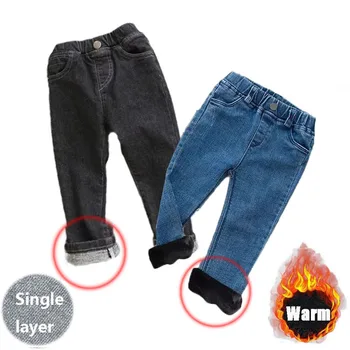
Convenience continues to dominate baby clothing trends in 2026. Parents want outfits that are cute but also functional — easy to put on, machine washable, and comfortable for day‑to‑day activities.
Features That Matter
- Snap closures and zippers: Simplify diaper changes
- Stretchy fabrics: Support mobility as infants crawl and walk
- Machine washable materials: Stand up to frequent cleaning
Example
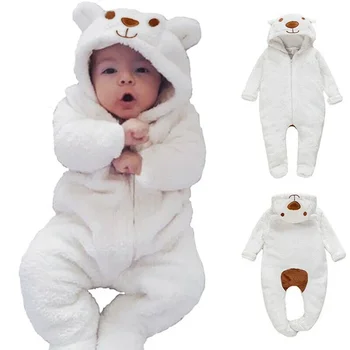
Instead of multiple-layered outfits, soft one‑piece rompers with front zippers or snap‑down legs are increasingly popular because they make morning routines quicker and less stressful.
4. Gender‑Neutral Styles: Flexible and Timeless
Gender‑neutral baby clothes are trending stronger than ever in 2026. Many parents prefer soft, versatile colors and patterns that aren’t defined by traditional “boys” or “girls” palettes.
Why It’s Popular
- Encourages flexibility in wardrobe choices
- Easier resale or passing down between siblings
- Focuses on comfort and personality over gender norms
Patterns like subtle stripes, muted earth tones, and playful prints are replacing stereotypical pastels and character themes, giving families more wardrobe flexibility.
5. Interactive & Sensory Clothing: Fun Meets Development
A newer trend gaining traction is interactive and sensory clothing — outfits that include textures, soft accents, or built‑in tactile elements designed for sensory exploration.
How It Helps
Sensory pieces are subtle tools for developmental stimulation. Soft tags, textured panels, and gentle rattles integrated into garments can:
- Promote fine motor skills
- Encourage early sensory engagement
- Provide calming experiences for infants
This movement reflects broader awareness around early childhood development and how everyday items can support growth.
Baby clothing trends in 2026 are moving beyond mere fashion. Today’s parents are selecting clothes that combine comfort, sustainability, practicality, and developmental value. By choosing grow‑with‑me pieces, eco‑friendly fabrics, practical everyday wear, gender‑neutral styles, and sensory‑friendly designs, you can build a wardrobe that supports your child’s well‑being and your family’s values.
Want more expert tips on selecting baby products that make parenting easier? Subscribe to our newsletter for monthly insights, product guides, and parent‑tested recommendations.


0 Comments