
If you’ve ever watched a child pretend a cardboard box is a spaceship or turn a stuffed animal into a patient at their “hospital,” you’ve already seen the magic of pretend play & role play in action.
What may look like simple fun is actually one of the most powerful learning tools for early childhood development. Pretend play toys help children explore emotions, build language skills, and develop problem-solving abilities — all while keeping them engaged and happy.
In this guide, parents will learn how pretend play & role play toys support development, which products are most beneficial, and how to choose the best options for different age groups. Whether you’re shopping for educational toys or development-focused children’s products, this guide will help you make smarter choices that support your child’s growth.
Why Pretend Play & Role Play Matter for Child Development
The Science Behind Imaginative Play
Child development experts widely agree that imaginative play is essential for cognitive growth. According to early childhood research, children who engage regularly in pretend play tend to develop stronger communication and social skills.
Pretend play encourages children to:
- Practice real-world scenarios
- Develop empathy by acting out different roles
- Strengthen storytelling and language abilities
- Improve creativity and flexible thinking
When children dress up as chefs, doctors, or astronauts, they’re not just playing — they’re learning how the world works.
Parent Insight: Play is a Learning Engine
Many parents worry about screen time replacing meaningful play. Development toys that encourage pretend play & role play provide a powerful alternative that keeps children mentally active without digital distractions.
5 Powerful Benefits of Pretend Play Toys
1. Builds Communication and Language Skills
How Role Play Expands Vocabulary
When children engage in pretend scenarios, they naturally practice new words and phrases.
Examples:
- Playing “grocery store” teaches product names and counting
- Pretend cooking introduces food vocabulary
- Playing “teacher” strengthens storytelling and explanation
Children often mimic phrases they hear from adults, which helps them build stronger communication skills.
2. Encourages Emotional Intelligence
Learning Through Social Scenarios
Role play allows children to explore emotions safely.
For example:
- Pretending to be a doctor helps children understand care and empathy
- Playing “family” teaches emotional expression
- Acting out school situations builds confidence
This emotional rehearsal helps children understand how others feel — an important step toward empathy.
3. Boosts Creativity and Imagination
Open-Ended Toys Inspire Bigger Thinking
Unlike toys with a single function, pretend play & role play toys allow unlimited storytelling.
Examples include:
- Play kitchens
- Dollhouses
- Dress-up costumes
- Toy toolkits
- Mini marketplaces
A single toy can create hundreds of imaginative scenarios.
4. Strengthens Problem-Solving Skills
Children naturally create challenges during pretend play.
For example:
- A “restaurant” needs customers
- A “construction worker” must fix a broken bridge
- A “veterinarian” must help a sick animal
These small imaginary problems help kids practice planning and logical thinking.
5. Supports Social Development
Learning Cooperation Through Play
When children play with siblings or friends, they must:
- Take turns
- Negotiate roles
- Solve conflicts
- Share toys
These experiences teach collaboration and patience — skills essential for school and life.
How to Choose the Best Pretend Play & Role Play Toys
Not all toys support development equally. Here’s how parents can pick toys that maximize learning and engagement.
Tip #1: Choose Open-Ended Toys
Open-ended toys allow multiple ways to play.
Great examples include:
- Play kitchens
- Costume sets
- Wooden food sets
- Tool benches
- Puppet theaters
These toys grow with your child and remain interesting longer.
Tip #2: Look for Real-World Inspiration
Children love to imitate adults. Toys that mimic real-life professions make play more meaningful.
Popular role play themes include:
- Doctor kits
- Chef sets
- Construction tools
- Grocery store playsets
- Teacher kits
These toys also help children explore possible interests and careers.
Tip #3: Prioritize Safe and Durable Materials
Since pretend play often involves movement and frequent use, durability matters.
Look for:
- Non-toxic materials
- Smooth edges
- Sturdy construction
- Washable fabrics
High-quality toys last longer and remain safe for younger children.
Tip #4: Consider Clothing and Dress-Up Play
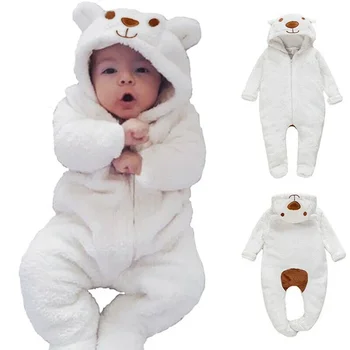
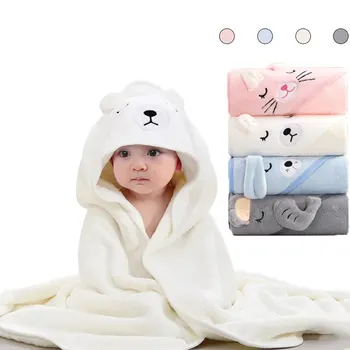
Children’s clothing can also support imaginative play.
Dress-up outfits such as:
- Superhero capes
- Princess dresses
- Firefighter jackets
- Doctor coats
These items encourage children to fully immerse themselves in pretend play & role play scenarios.
Tip #5: Choose Age-Appropriate Development Toys
Different ages benefit from different types of role play.
Ages 2–3
- Simple kitchen sets
- Plush toys
- Basic dress-up pieces
Ages 4–5
- Doctor kits
- Grocery store playsets
- Puppet theaters
Ages 6+
- Detailed dollhouses
- Science role-play kits
- Advanced building playsets
Choosing age-appropriate toys ensures children remain challenged and engaged.
Pretend Play Toy Ideas Parents Love
Parents are increasingly choosing toys that combine learning with creativity.
Some trending development toy categories include:
- Montessori-inspired pretend play sets
- Wooden role-play toys
- Sustainable toy materials
- STEM-based imaginative play kits
- Interactive storytelling toys
These toys encourage deeper learning while maintaining the fun of traditional imaginative play.
Pretend play & role play are far more than simple entertainment — they are powerful tools that support children’s emotional, cognitive, and social development.
By choosing development-focused toys and clothing that inspire imagination, parents can help their children build communication skills, creativity, empathy, and problem-solving abilities.
The best part? Kids are learning all of this while simply having fun.
If you’re looking to support your child’s development, start by incorporating more pretend play toys into everyday playtime.
Enjoyed this guide?
Share it with other parents, or subscribe to our newsletter for more insights on development toys, children’s clothing, and smart parenting product choices.



0 Comments