
A playroom isn’t just a corner for toys—it’s your child’s personal lab for creativity, learning, and independence. But with the wrong setup, it can quickly become cluttered, chaotic, or even unsafe. In 2026, designing a playroom that balances fun, functionality, and safety is easier than ever with smart furniture, modular storage, and intentional space planning.
In this guide, we’ll walk you through the essential steps to create a playroom that sparks imagination, supports development, and keeps your little ones safe—all while keeping your home organized.
Step 1: Plan Zones That Encourage Growth
A thoughtfully designed playroom starts with zoning. Separate spaces for different activities allow children to focus and explore independently.
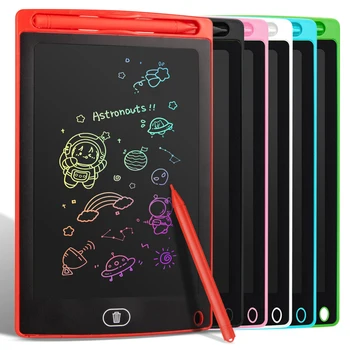
- Creative Corner: Set up an art station with adjustable tables, easy-to-clean surfaces, and storage for supplies. Modular furniture with drawers or cubbies can keep markers, crayons, and paints organized.
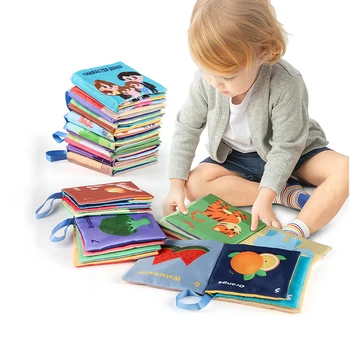
- Reading Nook: Create a cozy space with a small bookshelf, soft seating, and good lighting. Low shelves encourage kids to select books independently, promoting literacy skills.
- Active Play Zone: Clear floor space for movement, building, or dancing. Include soft mats and safe, rounded-edge furniture to prevent injuries during energetic play.
Tip: Use rugs or color-coded floor markers to visually define zones and make cleanup a fun part of play.
Step 2: Prioritize Safety
Safety is non-negotiable in a playroom. While 2026 trends emphasize creativity, they also integrate child-proofing without sacrificing style.
- Anchor tall furniture and bookshelves to walls to prevent tipping.
- Choose non-toxic paints and finishes for furniture and décor.
- Keep small toys, cords, and breakables out of reach to avoid choking hazards.
- Rounded-edge tables, soft corner protectors, and anti-slip mats reduce common injuries.
Trend Insight: Many modern modular furniture sets now come with built-in safety features like anti-tip brackets and cushioned edges, making it easier to combine functionality with peace of mind.
Step 3: Maximize Furniture & Storage
Organized storage is key to a clutter-free, inspiring playroom. The right furniture not only stores toys but also encourages responsibility and independent cleanup.
- Low Shelving Units: Open shelves with labeled bins let kids see and access their toys easily. Visual cues like pictures or color coding help younger children sort items themselves.
- Multi-Functional Furniture: Benches with hidden storage, tables with drawers, or bunk playbeds with cubbies maximize space without overwhelming the room.
- Vertical Storage: Use wall-mounted shelves for books, board games, or display toys. This frees up floor space for active play while keeping items accessible.
Tip: Rotate toys every few weeks to keep children engaged and reduce clutter. Store unused toys in under-bed bins or designated seasonal bins.
Step 4: Encourage Independent Play
A well-designed playroom supports autonomy and decision-making. By arranging toys and furniture thoughtfully, children can choose their activities without constant guidance.
- Keep frequently used toys within easy reach.
- Use labeled bins for organization, combining pictures and words for early literacy development.
- Rotate activities regularly to maintain interest and stimulate creativity.
Stat: Research shows that children in structured, organized play spaces spend up to 30% more time in self-directed, imaginative play, boosting problem-solving and social skills.
Step 5: Embrace 2026 Playroom Trends
- Eco-Friendly Materials: Bamboo, recycled wood, and non-toxic finishes are trending for durability and sustainability.
- Modular & Convertible Designs: Furniture that grows with your child—adjustable desks, stacking bins, and foldable activity tables—extends usability.
- Tech-Savvy Features: LED reading lights, interactive wall panels, and integrated charging stations are becoming popular without compromising safety.
Actionable Insight: When selecting furniture, prioritize pieces that combine storage, play, and style. This reduces clutter while creating a visually appealing, functional space.
A thoughtfully designed playroom transforms cluttered chaos into a space where imagination, learning, and safety coexist. By zoning activities, choosing safe furniture, maximizing storage, and encouraging independent play, parents can create a room that grows with their child.
Start small—set up one zone first, like a reading nook or art corner, and gradually expand. Pair these design choices with multi-functional storage solutions, and your playroom will be both inspiring and manageable.
Explore our guides on [developmental toys] and [children’s clothing organization] to create a fully optimized, fun, and functional space for your kids.



0 Comments