
Finding the right educational toys and learning materials for your child can feel like navigating a maze. With countless options in stores and online—from interactive books to sensory play kits—it’s hard to know which products truly support development. The good news: choosing the best toys doesn’t have to be complicated. This guide will walk you through actionable steps to select toys and learning materials that enhance cognitive, emotional, and physical growth while keeping playtime fun and engaging.
Why Educational Toys Matter
Early Learning Boosts Lifelong Skills
From birth through preschool, children’s brains are developing at an astonishing pace. Age-appropriate educational toys help:
- Build cognitive and problem-solving skills
- Develop fine and gross motor skills
- Encourage creativity and imagination
Example: Puzzles help children recognize shapes and patterns while improving hand-eye coordination.
Books & Learning Materials Are Key
Books aren’t just for bedtime—they are essential learning tools. Interactive storybooks, picture books, and activity books:
- Expand vocabulary
- Improve comprehension
- Encourage emotional intelligence through stories
Combining books with hands-on activities reinforces concepts and makes learning more engaging.
Step 1: Match Toys to Your Child’s Development Stage
Understanding your child’s developmental stage is crucial for selecting toys that are both fun and beneficial.
| Age Group | Recommended Toys & Materials | Skills Developed |
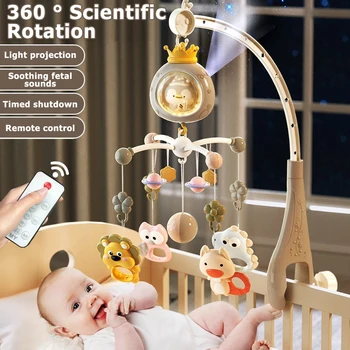
| 0–12 months | Soft sensory toys, rattles, board books with textures | Sensory perception, grasping, and early language |
| 1–3 years | Stacking blocks, shape sorters, and interactive storybooks | Problem-solving, motor skills, vocabulary |
| 3–5 years | Puzzles, art kits, and early science kits | Creativity, critical thinking, and fine motor skills |
Tip: Always check the age recommendation on packaging to ensure safety and developmental relevance.
Step 2: Prioritize Multi-Sensory Learning
Children absorb knowledge best when multiple senses are engaged. Multi-sensory toys stimulate sight, sound, and touch simultaneously, making learning memorable.
Examples:
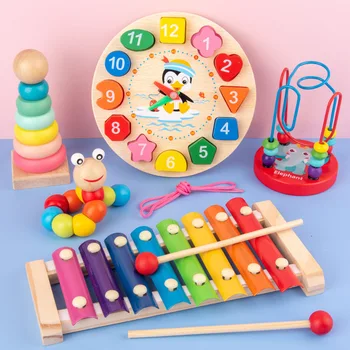
- Musical blocks for auditory and tactile engagement
- Textured books for reading plus sensory stimulation
- Play mats or interactive storybooks that combine movement and storytelling
Pro Tip: Rotate sensory toys weekly to maintain curiosity and engagement.
Step 3: Choose Open-Ended Toys
Open-ended toys encourage creativity and problem-solving by letting children explore without strict instructions.
Benefits:
- Boosts imagination
- Encourages independent thinking
- Promotes cooperative play with siblings or friends
Example: A set of wooden blocks can be transformed into towers, animals, or even a pretend car garage, giving children endless learning possibilities.
Step 4: Ensure Safety and Durability
Safety is non-negotiable when choosing educational toys. Look for:
- BPA-free, non-toxic materials
- Certifications like ASTM or EN71
- Durable, well-made products that can withstand wear and tear
Trend Insight: In 2026, eco-friendly toys are increasingly popular, offering parents both sustainability and peace of mind.
Step 5: Integrate Learning Into Daily Routines
Even simple, everyday routines can become learning opportunities:
- Mini Reading Sessions: Even five minutes of focused reading several times a day can boost comprehension and vocabulary.
- Learning Through Play: Count blocks while stacking or identify colors during art activities.
- Rotate Toys: Revisiting toys from different angles reinforces learning concepts.
Choosing the best educational toys and learning materials doesn’t have to be overwhelming. By matching products to developmental stages, prioritizing multi-sensory and open-ended play, ensuring safety, and integrating learning into daily routines, you can make playtime both enjoyable and educational.
Explore our curated selection of developmental toys and interactive books to help your child learn, grow, and thrive every day. Share this guide with fellow parents to make smarter, more informed choices for their children’s development.




0 Comments