
Choosing the right toys and games for your child isn’t just about keeping them entertained—it’s about supporting their growth, creativity, and learning. In this guide, we’ll explore how to pick toys that promote development, the latest trends in children’s products, and actionable tips for parents looking to boost their child’s cognitive and motor skills through play. By the end, you’ll feel confident selecting toys and games that truly benefit your child.
Why Developmental Toys Matter for Children
Many parents think toys are just fun distractions, but research shows that the right toys can significantly impact a child’s growth.
- Cognitive Development: Puzzles, building blocks, and interactive games enhance problem-solving and memory skills.
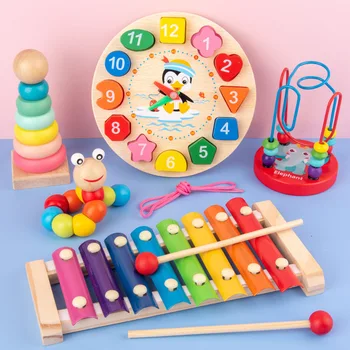
- Motor Skills: Toys like stacking rings, activity tables, and ride-ons help refine hand-eye coordination and fine motor control.
- Social Skills: Cooperative games teach sharing, turn-taking, and empathy.
A study by the American Academy of Pediatrics indicates that children engaged in purposeful play with educational toys are more likely to excel in early learning environments.
How to Choose the Right Toys & Games
1. Consider Age-Appropriateness
Always check the age recommendation on the packaging. Toys that are too advanced can frustrate your child, while toys that are too simple may not provide adequate stimulation.
Tip: Look for multi-level toys that grow with your child, such as modular building sets or adaptable learning tablets.
2. Focus on Developmental Goals
Identify what skills you want your child to develop:
- Problem-Solving: Puzzles, memory games, logic blocks.
- Creativity: Art kits, musical instruments, dress-up sets.
- Gross Motor Skills: Ride-on toys, climbing structures, sports sets.
Example: Montessori-inspired toys are designed to encourage independent learning and practical life skills.
3. Safety Comes First
Check for non-toxic materials, smooth edges, and secure components. Avoid small parts for children under three to prevent choking hazards.
Trend: Eco-friendly and BPA-free toys are rising in popularity, aligning with growing parental concerns about health and sustainability.
4. Incorporate Educational Value Without Sacrificing Fun
Children engage best when learning is disguised as play. Games that mix storytelling, counting, or pattern recognition help children absorb concepts effortlessly.
Example: Board games like “Animal Bingo” or interactive apps with real-world tie-ins promote learning in an entertaining way.
5. Encourage Family Interaction
Toys that involve parents or siblings enhance bonding and social learning. Consider games that allow cooperative play rather than just solo activities.
Stat: According to a 2025 survey by Toy Insider, 72% of parents said they spend more quality time with their children when using interactive toys and games.
Top 2026 Trends in Children’s Toys & Games
- STEAM-Focused Toys: Science, Technology, Engineering, Arts, and Math toys continue to dominate educational play.
- Screen-Free Learning Tools: Parents increasingly prefer non-digital toys that encourage imaginative play.
- Sustainable Materials: Wood, recycled plastics, and organic textiles are on the rise.
- Inclusive Play: Toys representing diverse cultures, abilities, and genders foster empathy and acceptance.
Tips to Maximize Playtime
- Rotate Toys Regularly – Keeps your child interested and prevents overstimulation.
- Create a Dedicated Play Area – Encourages independent play while keeping the home organized.
- Balance Digital and Physical Play – While apps can be educational, hands-on toys remain crucial for motor and social skills.
- Observe Your Child’s Interests – Let them guide what types of toys spark their curiosity.
Selecting the right toys and games goes beyond fun—it supports your child’s mental, physical, and social development. By choosing age-appropriate, safe, and educational products, parents can create a stimulating play environment that nurtures growth and confidence. Stay ahead of 2026 trends, focus on developmental goals, and remember to enjoy the playtime together.
Sign up for our newsletter to receive the latest insights on children’s toys and games, including product reviews, parenting tips, and expert advice to support your child’s growth.



0 Comments